Gaganyaan crew module tests have been successfully completed by ISRO, showcasing the agency’s progress in its ambitious human spaceflight program.
Overview of Gaganyaan Mission
The Gaganyaan mission, a flagship initiative by the Indian Space Research Organisation (ISRO), aims to send Indian astronauts into space for the first time. This ambitious project signifies India’s growing capabilities in space exploration and its commitment to advancing human spaceflight technology.
As part of the preparations, ISRO has successfully conducted a series of crucial tests on the Gaganyaan crew module. These tests are pivotal in ensuring the safety and reliability of the crew module, which will house astronauts during their journey. Recent milestones include the completion of crew and service module separation tests, which are essential for the mission’s overall success.
The Gaganyaan crew module is designed with several key features:
- Safety: Advanced systems to protect astronauts during launch and re-entry.
- Life Support: Essential life support systems to sustain crew members during the mission.
- Modular Design: A design that facilitates various mission profiles and operational flexibility.
ISRO’s rigorous testing protocols demonstrate its commitment to achieving a successful Gaganyaan mission. The recent crew module tests are a testament to the organization’s meticulous planning and execution, paving the way for future missions and enhancing India’s presence in the international space arena.
Importance of Crew Module Tests
The successful development of a crew module is crucial for the Gaganyaan mission, as it directly impacts the safety and effectiveness of human spaceflight. Gaganyaan crew module tests play a vital role in ensuring that the module can withstand the rigors of space travel and provide a secure environment for astronauts.
These tests are designed to validate various systems within the crew module, including:
- Structural integrity: Ensuring the module can endure the stresses of launch and re-entry.
- Life support systems: Verifying that the environment inside the module maintains safe levels of oxygen, pressure, and temperature.
- Emergency protocols: Testing the module’s capacity to handle unexpected situations, such as system failures or atmospheric re-entry challenges.
In addition to improving safety, the tests contribute to the overall mission reliability. Each successful test builds confidence in the design and functionality of the crew module, paving the way for eventual human missions. Moreover, these evaluations help identify and mitigate potential risks early in the development process, ultimately leading to a smoother path to mission execution.
As ISRO progresses with the Gaganyaan crew module tests, they not only enhance their technological capabilities but also inspire a new generation of scientists and engineers in the field of space exploration.
ISRO’s Achievements in Space
The Indian Space Research Organisation (ISRO) has marked a significant milestone in its ambitious Gaganyaan mission, particularly through its successful crew module tests. These achievements highlight the organisation’s commitment to advancing human spaceflight capabilities.
ISRO’s rigorous testing regime has proven essential in ensuring the safety and functionality of the crew module. The recent tests have included:
- Separation Tests: ISRO conducted crucial tests to validate the separation of the crew module from the launch vehicle, ensuring that it can operate independently during missions.
- Thermal Tests: Evaluating the thermal protection system was a priority, as it is vital for safeguarding astronauts during re-entry into the Earth’s atmosphere.
- Structural Integrity Assessments: The crew module underwent comprehensive evaluations to ensure it can withstand the stresses of launch and space conditions.
These Gaganyaan crew module tests are part of ISRO’s broader strategy to establish a robust framework for human space exploration. Each successful trial builds confidence in the crew module’s design and operational capabilities, paving the way for future missions. The agency’s dedication to this project is evident in their meticulous approach to testing, which aims to ensure a safe and successful journey for the astronauts involved in the Gaganyaan mission.
Future Plans for Gaganyaan
The future plans for the Gaganyaan mission are centered around rigorous testing and development of the crew module, which is crucial for ensuring the safety and success of human spaceflight. Following the recent completion of the Gaganyaan crew module tests, the Indian Space Research Organisation (ISRO) is set to enhance its focus on integrating advanced technologies and systems.
Upcoming phases include:
- Finalizing Design Specifications: ISRO will analyze data from the crew module tests to finalize the design specifications, ensuring that all aspects meet safety and performance criteria.
- Conducting Additional Tests: More extensive testing will be carried out, including simulations of different space environments and scenarios that astronauts might encounter.
- Training Astronauts: A comprehensive training program will be instituted for selected astronauts, preparing them for the unique challenges of space travel.
- Public Engagement: ISRO plans to engage the public and students through outreach programs, highlighting the significance of the Gaganyaan mission and inspiring future generations in the field of space exploration.
The successful execution of these plans will play a pivotal role in the Gaganyaan crew module tests, paving the way for India’s first manned mission to space and solidifying ISRO’s position as a leading space agency globally.
Challenges Faced by ISRO
The Indian Space Research Organisation (ISRO) has faced several challenges during the development of the Gaganyaan crew module tests. These challenges are crucial to address to ensure the success of India’s first manned mission to space.
One of the primary challenges has been the integration of advanced technology within the crew module. This includes the need for robust life support systems that can sustain astronauts during their journey. Testing these systems under various conditions has proven to be intricate and time-consuming.
Another significant hurdle is the safety protocols required for human spaceflight. Ensuring that the crew module can withstand potential emergencies, such as cabin depressurization or system failures, demands extensive simulation and testing. ISRO has had to develop innovative solutions to guarantee the safety of the crew, which is of utmost importance.
The separation tests of the crew and service modules have also presented technical difficulties. Achieving precise separation without compromising the integrity of either module necessitates meticulous engineering and design adjustments.
Despite these challenges, ISRO remains committed to overcoming them. The successful Gaganyaan crew module tests represent not only a step forward for India’s space exploration ambitions but also a testament to the perseverance and ingenuity of the ISRO team.
Public Interest in Space Missions
The Gaganyaan crew module tests have captured the attention of the public, as interest in space exploration continues to grow globally. The mission, led by the Indian Space Research Organisation (ISRO), aims to send Indian astronauts into space, marking a significant milestone in the nation’s space journey.
Public enthusiasm for the Gaganyaan mission is fueled by several factors:
- Scientific Advancement: The prospect of sending humans into orbit showcases India’s capabilities in space technology and research.
- National Pride: Successful crew module tests symbolize India’s emergence as a key player in the global space arena, boosting national pride and unity.
- Educational Inspiration: The mission inspires students and young professionals to pursue careers in science, technology, engineering, and mathematics (STEM).
- Community Engagement: ISRO’s outreach initiatives, including public lectures and exhibitions, have further engaged the community, fostering a deeper interest in space missions.
As the Gaganyaan crew module tests progress, the excitement surrounding the mission is palpable, with many eagerly anticipating India’s first human spaceflight. The successful completion of these tests not only represents technical achievements but also reflects a collective aspiration for knowledge and exploration beyond our planet.
Conclusion on Gaganyaan Progress
The recent developments surrounding the Gaganyaan crew module tests mark a significant milestone in India’s ambitious space endeavors. As the Indian Space Research Organisation (ISRO) progresses towards its goal of sending humans into space, the successful completion of these tests demonstrates not only technical prowess but also a commitment to ensuring the safety and reliability of the mission.
Through rigorous evaluations, ISRO has showcased its ability to address the complexities of human spaceflight. The crew module tests, which focus on critical aspects such as separation mechanisms and environmental controls, have laid a solid foundation for future stages of the Gaganyaan mission. The feedback and data gathered from these tests will be instrumental in refining the overall design and functionality of the crew module.
Moreover, the public enthusiasm surrounding Gaganyaan illustrates a growing interest in India’s space program. As citizens rally behind the mission, it fosters a sense of national pride and encourages the next generation to pursue careers in science and engineering.
In conclusion, the Gaganyaan crew module tests represent proven steps towards success, reflecting ISRO’s dedication to advancing space exploration. The mission not only aims to put Indian astronauts in space but also inspires a collective aspiration for scientific achievement and innovation in the realm of space technology.
The recent Gaganyaan crew module tests have showcased the robustness of India’s space technology. As each phase of the Gaganyaan crew module tests is completed, confidence in the mission’s success continues to grow.
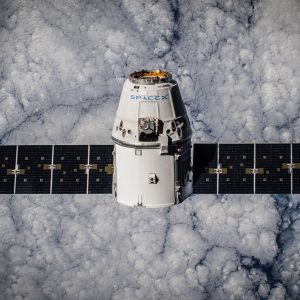
Photo by SpaceX on Pexels
References
You might also like
Samsung Galaxy S27 Ultra: The Best Upgrades You’ll Love · KDE Plasma 6.8: The Best Upgrade for Your Desktop Experience · Xiaomi 18 Fold launch: The Best Features and Specs to Expect