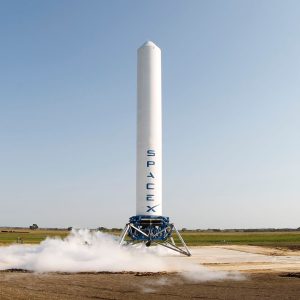
China space mission is about to embark on a groundbreaking journey as it prepares to launch its first mission featuring a foreign astronaut.
Overview of the mission
China is embarking on a groundbreaking space mission that marks a significant leap in international collaboration in space exploration. This mission will be historic, as it will include the first foreign astronaut to join a Chinese crew in orbit. The launch is set to take place in the coming months and aims to promote cooperation among nations in the field of space science.
The inclusion of a foreign astronaut in the mission highlights China’s commitment to fostering global partnerships. This initiative is expected to enhance cultural exchange and technological sharing between countries, paving the way for future collaborative efforts in space research.
Key objectives of the mission include:
- Conducting scientific experiments that benefit all participating nations.
- Testing new technologies that can enhance human spaceflight safety and efficiency.
- Strengthening diplomatic ties through shared goals in space exploration.
As nations come together for this China space mission, the potential for shared discoveries and advancements in space technology is immense, promising an exciting new era in space collaboration.
Significance of foreign astronauts
The inclusion of foreign astronauts in China’s space mission marks a significant milestone in international collaboration in space exploration. This initiative not only reflects China’s expanding capabilities in space technology but also promotes unity among nations in the pursuit of scientific advancement.
Key reasons for the significance of foreign astronauts:
- Enhancing cooperation: Bringing together astronauts from different countries fosters stronger ties and encourages shared knowledge and resource pooling.
- Broader expertise: Foreign astronauts bring diverse experiences and skills, contributing to a richer scientific discourse and improved mission outcomes.
- Global perspectives: Each astronaut’s unique background provides a different viewpoint on challenges encountered during space exploration, leading to innovative solutions.
- Inspiring future generations: The collaboration showcases a commitment to global unity in science, inspiring young people worldwide to consider careers in space and technology.
Overall, the participation of foreign astronauts in China’s space mission signifies a new era where international partnerships can enhance our understanding of the cosmos.
China’s space program history
China’s space program has evolved significantly since its inception in the 1950s. Initially focused on developing satellite technology, it has transformed into a robust program capable of launching crewed missions. The first successful crewed flight, Shenzhou 5, took place in 2003, marking China as the third nation to send humans into space. Since then, the country has made remarkable strides, launching several missions that include spacewalks, lunar explorations, and the construction of its own space station.
With the establishment of the Tiangong space station, China has opened new avenues for international cooperation. The upcoming mission featuring a foreign astronaut is a pivotal moment in this journey, symbolizing a shift towards collaborative efforts in space exploration. This mission not only showcases China’s technological advancements but also promotes a spirit of inclusivity in the global space community.
As China continues to expand its role in space, the inclusion of foreign astronauts in its missions underscores the importance of working together to achieve common goals in the pursuit of knowledge beyond our planet.
International partnerships in space
As China embarks on its groundbreaking space mission featuring a foreign astronaut, the landscape of international partnerships in space exploration is evolving rapidly. This mission marks a significant milestone, highlighting China’s commitment to fostering collaboration beyond its borders.
In recent years, China has actively sought to engage with other nations, aiming to share knowledge and resources. This initiative is not just about showcasing technological prowess; it represents a shift towards a more inclusive approach in the realm of space exploration.
Key aspects of these international partnerships include:
- Joint Research Initiatives: Collaborating on scientific studies and experiments that benefit all participating countries.
- Resource Sharing: Utilizing each nation’s unique capabilities and technologies to enhance mission outcomes.
- Cultural Exchange: Promoting understanding and goodwill among astronauts from diverse backgrounds, enriching the human experience of space travel.
As the mission progresses, the role of foreign astronauts will become increasingly vital, symbolizing unity in the quest for knowledge and exploration beyond our planet.
What this means for future missions
The inclusion of foreign astronauts in China’s space mission marks a significant shift in the landscape of international space exploration. This collaboration opens new avenues for future missions, fostering an environment where knowledge and resources can be shared more freely among nations.
As China continues to advance its space program, the participation of foreign astronauts not only enhances the credibility of its initiatives but also strengthens diplomatic ties. The experience gained from these joint missions can lead to:
- Increased scientific collaboration: Nations can work together on research projects, pooling expertise and technology.
- Shared resources: Collaborating countries may share funding, equipment, and support, improving the efficiency of space missions.
- Broader public engagement: With international participation, the appeal of space exploration can reach a wider audience, inspiring future generations.
Ultimately, the inclusion of foreign astronauts in China’s space mission sets a precedent for unity in the field of space exploration, paving the way for innovative projects and international partnerships in the years to come.
Technology used in the mission
The technology employed in China’s upcoming space mission is a testament to its advancements in aerospace engineering and international collaboration. The spacecraft, designed to accommodate both Chinese and foreign astronauts, showcases cutting-edge systems that enhance safety and efficiency during the journey. Key components include:
- Advanced Life Support Systems: These systems ensure a sustainable environment for the astronauts, managing air quality, temperature, and waste recycling.
- Enhanced Navigation Technologies: Utilizing state-of-the-art navigation tools, the spacecraft can accurately travel to predetermined orbital paths, ensuring precise docking with space stations.
- Robust Communication Equipment: Real-time communication capabilities allow seamless exchanges between the crew and mission control, fostering international collaboration.
- Modular Design: The spacecraft’s design enables quick modifications and upgrades, promoting adaptability for various mission profiles.
This innovative technology not only supports the mission’s goals but also reflects China’s commitment to involving foreign astronauts, marking a significant step forward in global space exploration efforts.
Timeline of the launch
The timeline of the launch for China’s upcoming space mission, which will include its first foreign astronaut, is set to unfold in several key phases. The mission is scheduled for a launch window in the second quarter of 2024, following extensive preparations and testing of the spacecraft.
Here are the critical milestones leading up to the launch:
- Q1 2024: Final training sessions for the selected foreign astronaut, focused on mission protocols and spacecraft operation.
- March 2024: Completion of pre-launch checks on the spacecraft, ensuring all systems are fully operational.
- April 2024: Arrival of the foreign astronaut in China for final adjustments and acclimatization.
- May 2024: Launch day, where the spacecraft will lift off from the Wenchang Space Launch Site, marking a historic moment in China’s space mission with a foreign astronaut.
This timeline not only highlights the meticulous planning involved but also signifies a new era of international collaboration in space exploration.
Public reactions and expectations
The announcement of China’s upcoming space mission featuring a foreign astronaut has sparked significant public interest and excitement. Many view this milestone as a pivotal moment in international space collaboration.
Social media platforms are buzzing with reactions, as citizens express their hopes for a successful mission. Some key reactions include:
- Increased optimism: Many believe that this mission signifies a willingness for global cooperation in space exploration, fostering peace and mutual understanding.
- Curiosity about the astronaut: People are eager to learn more about the foreign astronaut who will be part of the mission, with discussions about their background and the role they will play.
- Technological advancements: Enthusiasts are excited about the technologies that will be utilized, anticipating innovations that could benefit future space missions.
As the launch date approaches, expectations continue to rise, with many hoping that this China space mission will pave the way for further collaborative efforts in outer space.
The recent China space mission foreign astronaut initiative marks a significant step towards fostering global partnerships in space exploration. As countries come together, the potential for groundbreaking discoveries increases, benefiting all of humanity.
Read the original
Sovereign Tower updates: Best Proven Features for Switch · Best Ending in GTA 6: Proven Tips for Success · AI adoption in India: The clear path to proven success